

One patient described a busy life - going through a divorce, moving into a new house, starting a new job, and raising a teenager. Sound familiar?
Despite her chaotic situation, she booked and kept her routine doctor’s visit, a testament to how important these exams can be, and it saved her life. At 48 she was diagnosed with thyroid cancer.
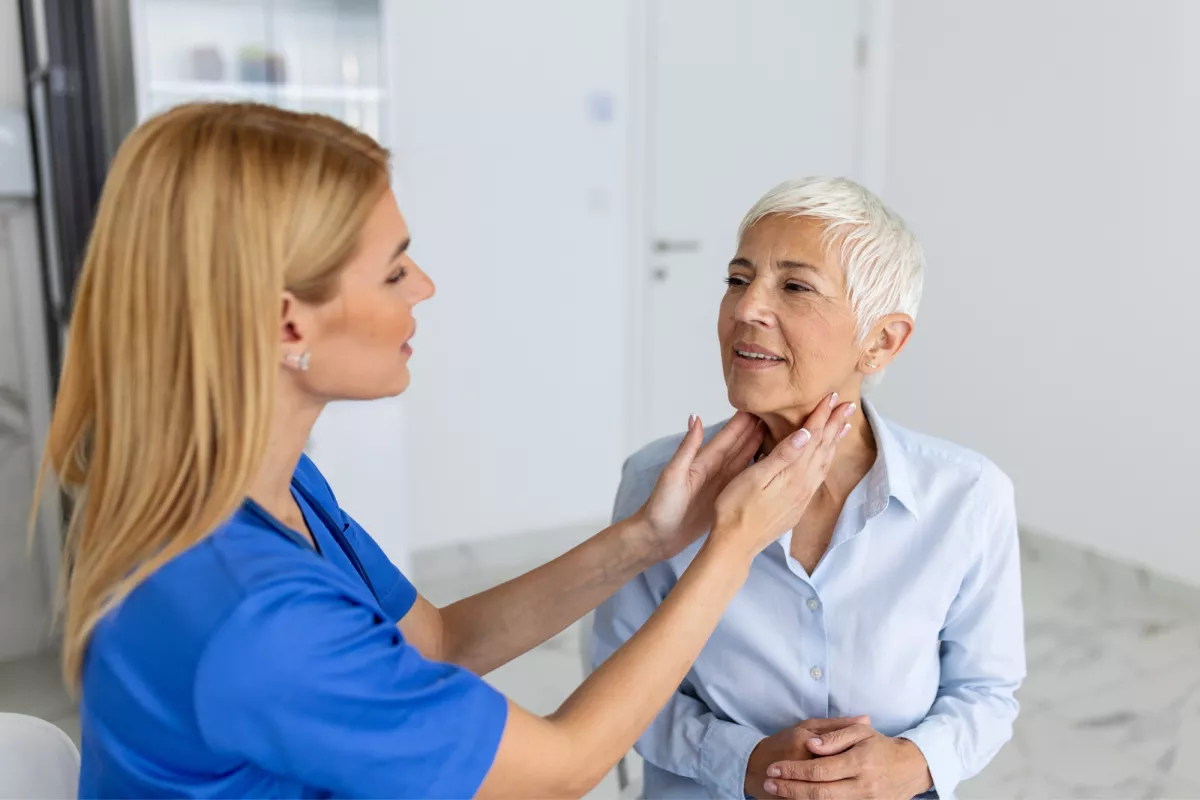
According to the American Cancer Society, an estimated 44,020 new cases of thyroid cancer are expected in the United States in 2024. There are various types of thyroid cancer, and the difference is based upon which cell within the thyroid gland becomes cancerous.
Dr. Russell Smith, is an otolaryngology surgeon and the director of thyroid and parathyroid surgery at the AdventHealth Cancer Institute, explains to The Healthy, a Reader’s Digest publication, “The most common thyroid cancers develop from the follicular cells of the thyroid gland. These cancers are called ‘well-differentiated thyroid cancers.’”
Smith adds most people do not have an identifiable risk factor for developing thyroid cancer – like genetics. He says exposure to ionizing radiation is one known risk.
To make this type of cancer even more difficult to diagnose, there aren’t many symptoms. Typically, the most common thyroid cancer symptom is a lump in the lower neck, just above where your collarbones meet, which is where the small, butterfly-shaped gland sits.
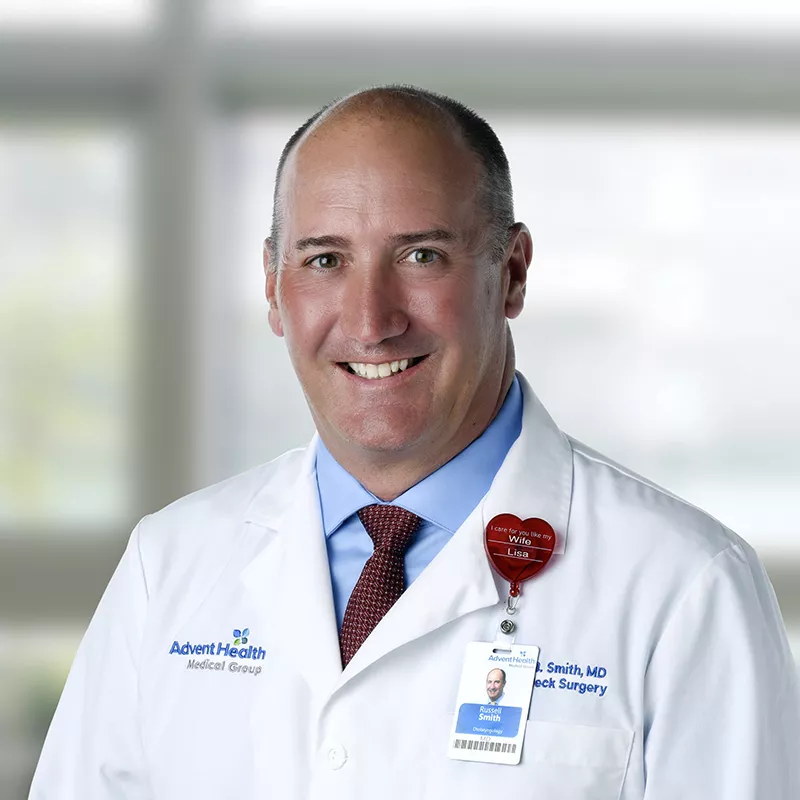
“As thyroid cancer progresses, other symptoms can occur,” Smith explains. Symptoms may include:
- New lumps on the sides of the neck
- Hoarseness
- Trouble swallowing
- Breathing difficulties
- Coughing up blood (hemoptysis)
Age may be a factor in how long someone can live with thyroid cancer, said Smith.
“These cancers (well-differentiated thyroid cancers) have a great response to treatment and have a very high survival that is over 95%,” Smith told The Healthy. However, in older patients or those with more advanced disease, this type of cancer can become quite aggressive, and survival rates may fall to around 50% to 60%.
The AdventHealth Head and Neck program in Orlando is recognized by U.S News & World Report as the only nationally ranked for Ear, Nose and Throat care in Greater Orlando.
6 items. To interact with these items, press Control-Option-Shift-Right Arrow.




AdventHealth South Overland Park awarded Primary Stroke Center Certification from The Joint Commission
AdventHealth South Overland Park has earned The Joint Commission’s Gold Seal of Approval® and the American Heart and Stroke Association’s Heart-Check mark for Primary Stroke Certification.
AdventHealth Zephyrhills thanks first responders during EMS week
AdventHealth Zephyrhills honors first responders during EMS Week.
ER doctors and nurses say thank you to EMS workers
Hear from our doctors and nurses why they love our EMS partners and join us in saying THANK YOU!
Former patient returns to AdventHealth Littleton to comfort moms in the NICU
A former patient of AdventHealth Littleton returned to recognize NICU moms on Mother’s Day.
Protecting Your Skin: Insights and Innovations During Skin Cancer Awareness Month
Skin Cancer Awareness Month serves as a crucial reminder of the importance of vigilance in detecting and preventing skin cancer, the most common cancer affecting both men and women in the United...
Winners of inaugural Grayson Murray Be Kind to One Another Legacy Award announced
The AdventHealth Championship announced the winners of the inaugural Grayson Murray Be Kind to One Another Legacy Award: longtime Korn Ferry Tour player Josh Teater is the winner of the player/caddie...