

ORLANDO, Fla. - Colorectal cancer is one of the leading causes of deaths in the United States, according to the American Society of Colon and Rectal Surgeons. However, it is highly preventable with regular screenings and is often curable when detected early.
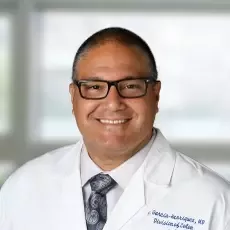
“Colorectal cancer often begins with the formation of a polyp within the lining of the colon wall— small growths or lumps that grow with time and potentially extend beyond the colonic wall and into adjacent organs if not promptly detected,” said Dr. Norbert Garcia, board-certified colon and rectal surgeon at AdventHealth. “While most polyps are benign, some can develop into cancer if not detected and removed.”
Dr. Garcia shares five key facts everyone should know about colorectal cancer:
Most colon cancers are asymptomatic: In the early stages, colorectal cancer may not cause any noticeable symptoms. However, there are specific symptoms that should prompt you to visit your doctor. These include most commonly rectal bleeding, abdominal pain, change in bowel habits and unexpected weight loss.
Risk factors: Consumption of fatty foods, excessive carbohydrates and processed foods, in addition to morbid obesity and smoking.
Genetics and family history: Most colorectal cancers are found in people without a family history. However about 3-5% of patients have a hereditary form of colorectal cancer, elevating the risk much higher than that of the general population. Although the standard age to begin screening is now 45, hereditary forms of colorectal cancer will require even earlier screening. The risk is even higher in first-degree relatives and if the diagnosis is made before the age of 50.
Prevention: Regular colorectal cancer screenings are key to prevention, with colonoscopy being the gold standard. Additionally, maintaining a healthy diet, staying physically active and limiting alcohol consumption may help reduce the risk.
- Treatment: When detected early, colorectal cancer is often curable, mostly by state-of-the-art techniques such as minimally invasive surgery.
“Early detection saves lives — talk to your doctor about screening options for you today,” said Garcia.
6 items. To interact with these items, press Control-Option-Shift-Right Arrow.




AdventHealth South Overland Park awarded Primary Stroke Center Certification from The Joint Commission
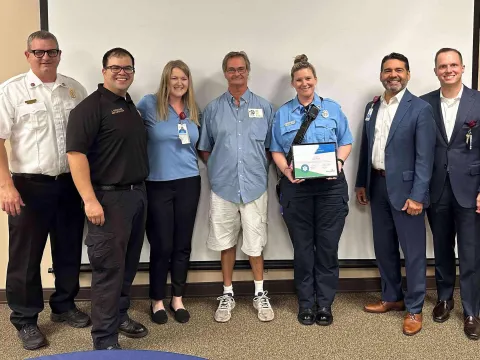
AdventHealth South Overland Park has earned The Joint Commission’s Gold Seal of Approval® and the American Heart and Stroke Association’s Heart-Check mark for Primary Stroke Certification.
AdventHealth Zephyrhills thanks first responders during EMS week
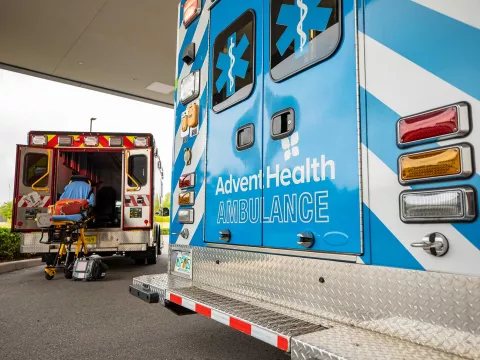
AdventHealth Zephyrhills honors first responders during EMS Week.
ER doctors and nurses say thank you to EMS workers
Hear from our doctors and nurses why they love our EMS partners and join us in saying THANK YOU!
Former patient returns to AdventHealth Littleton to comfort moms in the NICU
A former patient of AdventHealth Littleton returned to recognize NICU moms on Mother’s Day.
Protecting Your Skin: Insights and Innovations During Skin Cancer Awareness Month
Skin Cancer Awareness Month serves as a crucial reminder of the importance of vigilance in detecting and preventing skin cancer, the most common cancer affecting both men and women in the United...
Celebrating EMS Week: Honoring our EMS teams in the Rocky Mountain Region
Emergency Medical Services (EMS) Week is a time to honor the incredible dedication and exceptional skill of EMS providers who operate tirelessly to safeguard our communities.